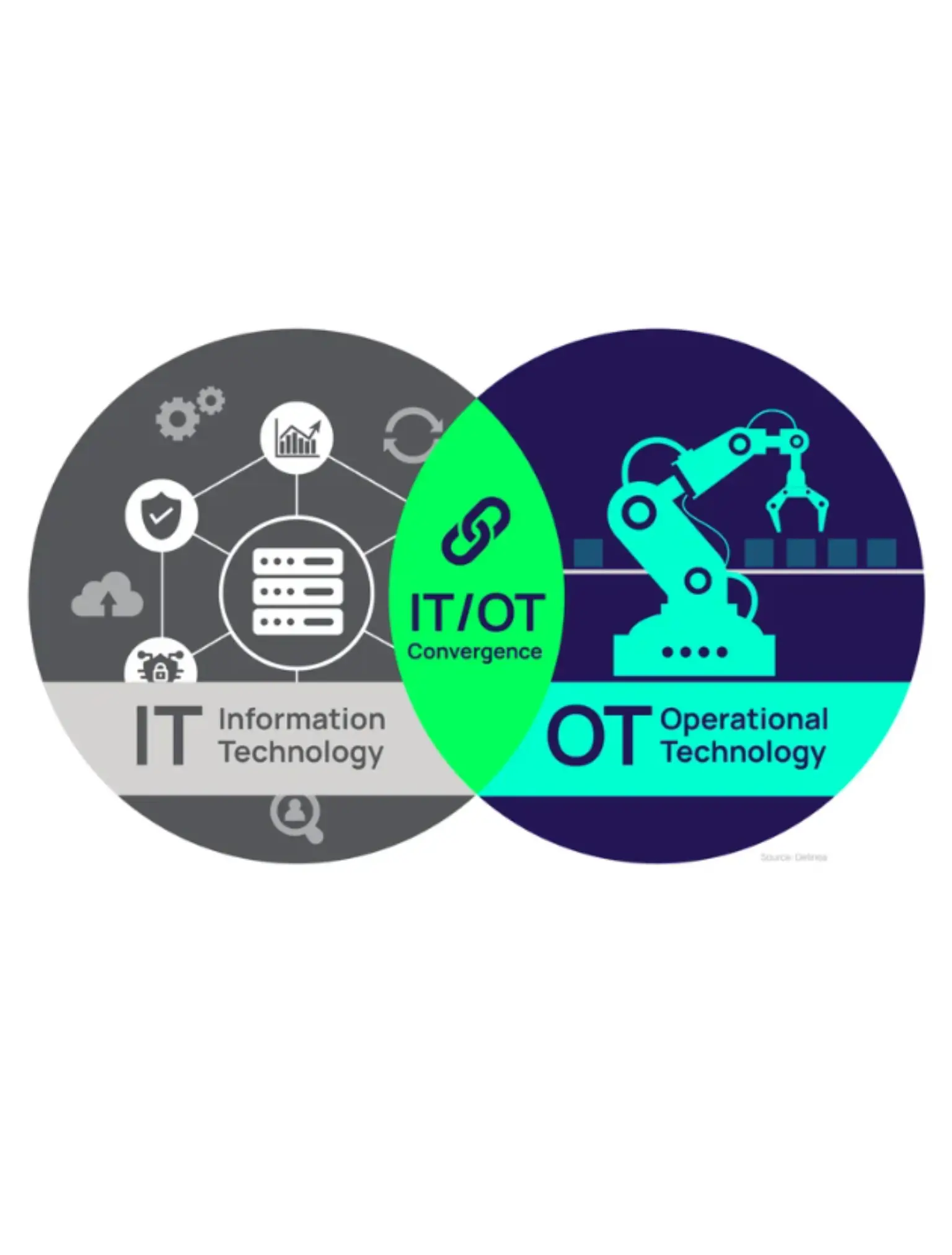
IT Cybersecurity
Information Technology (IT) cybersecurity focuses on protecting digital assets such as servers, networks, cloud platforms, endpoints, and business applications from cyber threats, including malware, ransomware, phishing, and data breaches.
Our IT cybersecurity services help organisations implement strong security frameworks to safeguard critical data and maintain secure digital operations.
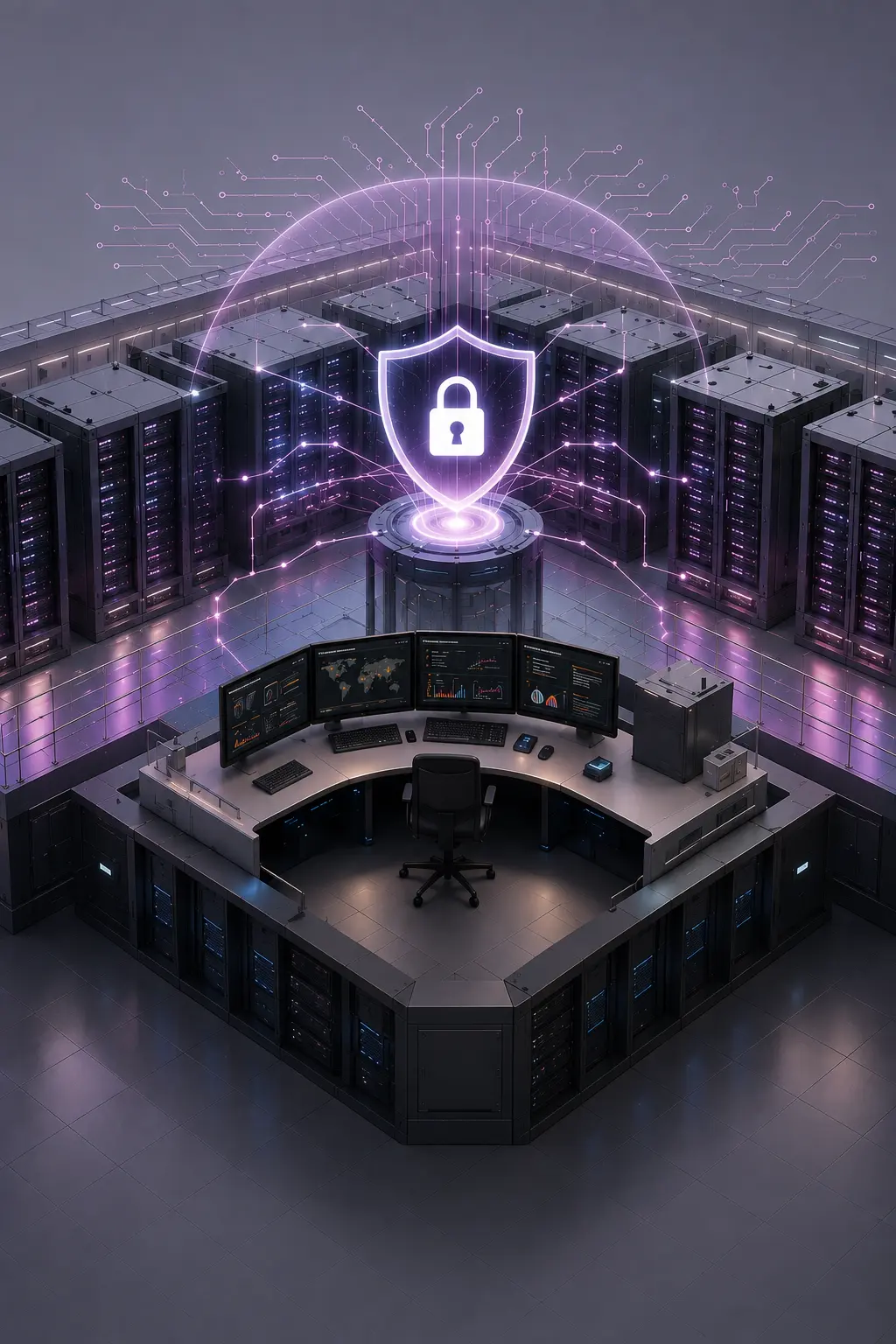
Key Features of IT Cybersecurity:
Network security:Protect enterprise networks with advanced firewall management, intrusion detection systems, and secure network architecture.
Endpoint Security:Protect laptops, desktops, mobile devices, and servers from malware, ransomware, and unauthorised access.
Cloud Security:Secure cloud environments, including AWS, Azure, and hybrid infrastructure through identity management, encryption, and monitoring.
Vulnerability Management:Identify and remediate security vulnerabilities through regular scanning and risk assessments.
Identity & Access (IAM):Control user access to systems and applications through secure authentication and authorisation mechanisms.
Core Benefits:
Proactive threat prevention across all digital touchpoints.
When IT and OT systems converge with IIoT, be safe.
Minimise outage time from cyber events
Compliance with frameworks like ISO 27001, GDPR, and HIPAA.
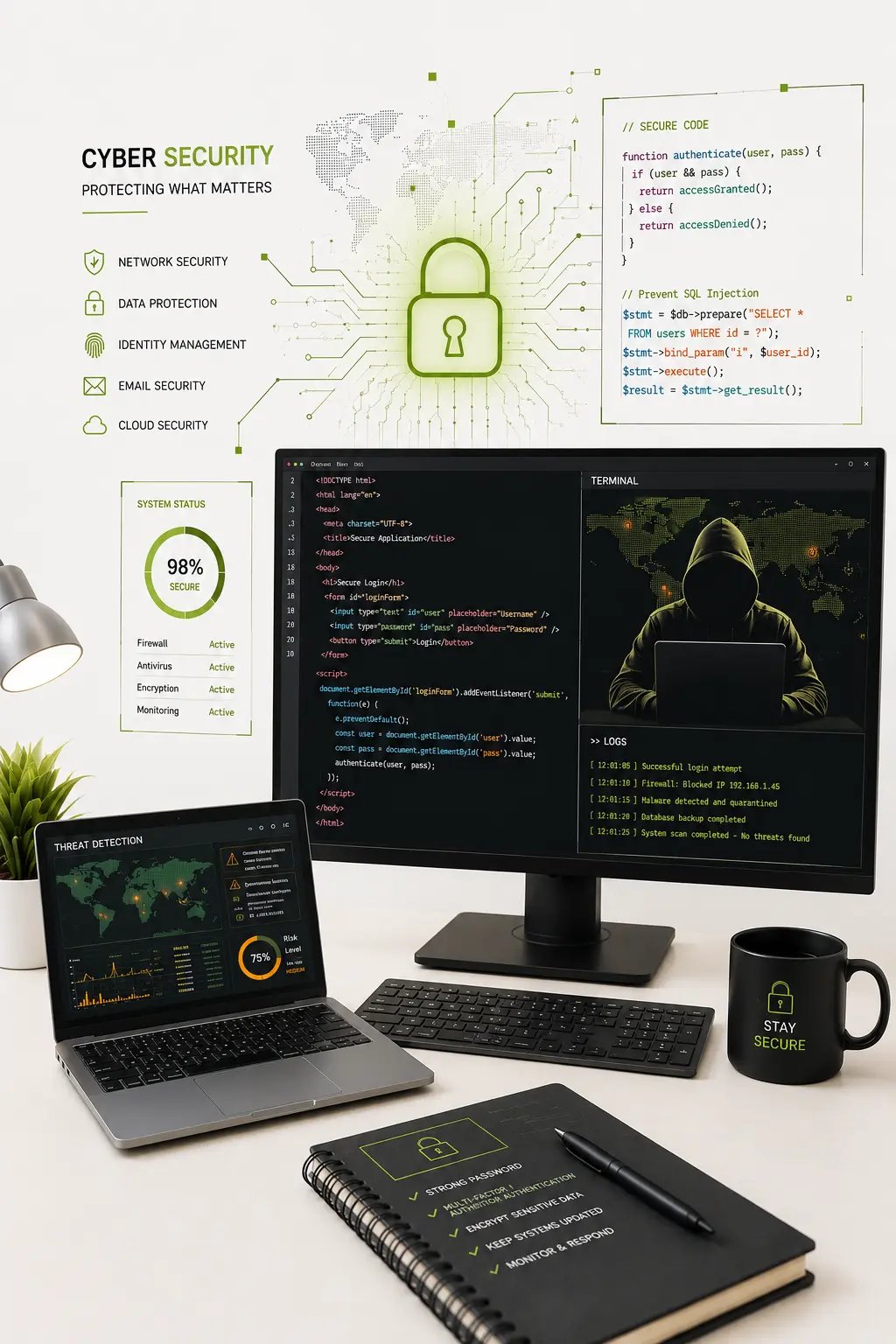
Convergence of IT-OT in Cybersecurity:
Why IT-OT Convergence Matters:
IT systems handle data, applications, users, and networks. Converging IT-OT security ensures business systems are not isolated from industrial operations, creating a unified defence strategy.
Importance of IT-OT Convergence:
Data Integrity:Protects sensitive business and customer information.
Centralised Management:Helps organisations manage networks, systems, and applications from a unified platform.
Improved Cybersecurity:Security tools protect systems and data from cyber threats such as malware and ransomware.
Efficient Data Handling:IT systems allow organisations to store, process, and share data quickly and securely.
Operational Efficiency:Automates many business processes and reduces manual work.
Scalability:IT infrastructure can be expanded as the organisation grows.
Supports Digital Transformation:Enables the use of modern technologies such as cloud computing, artificial intelligence, and big data.
Business Continuity:Prevents disruptions in office IT environments that could impact operations.
Compliance:Helps meet standards like ISO, GDPR, and NIST for IT governance.