OT Cybersecurity
Operational Technology (OT) cybersecurity focuses on protecting industrial systems such as manufacturing equipment, SCADA systems, industrial control systems (ICS), and critical infrastructure.
Unlike traditional IT environments, OT systems are responsible for physical processes, making cybersecurity crucial to prevent operational disruption or safety incidents. As industrial systems become connected through IoT and IIoT, the boundaries between IT and OT are increasingly converging — creating new risks that require specialised strategies.
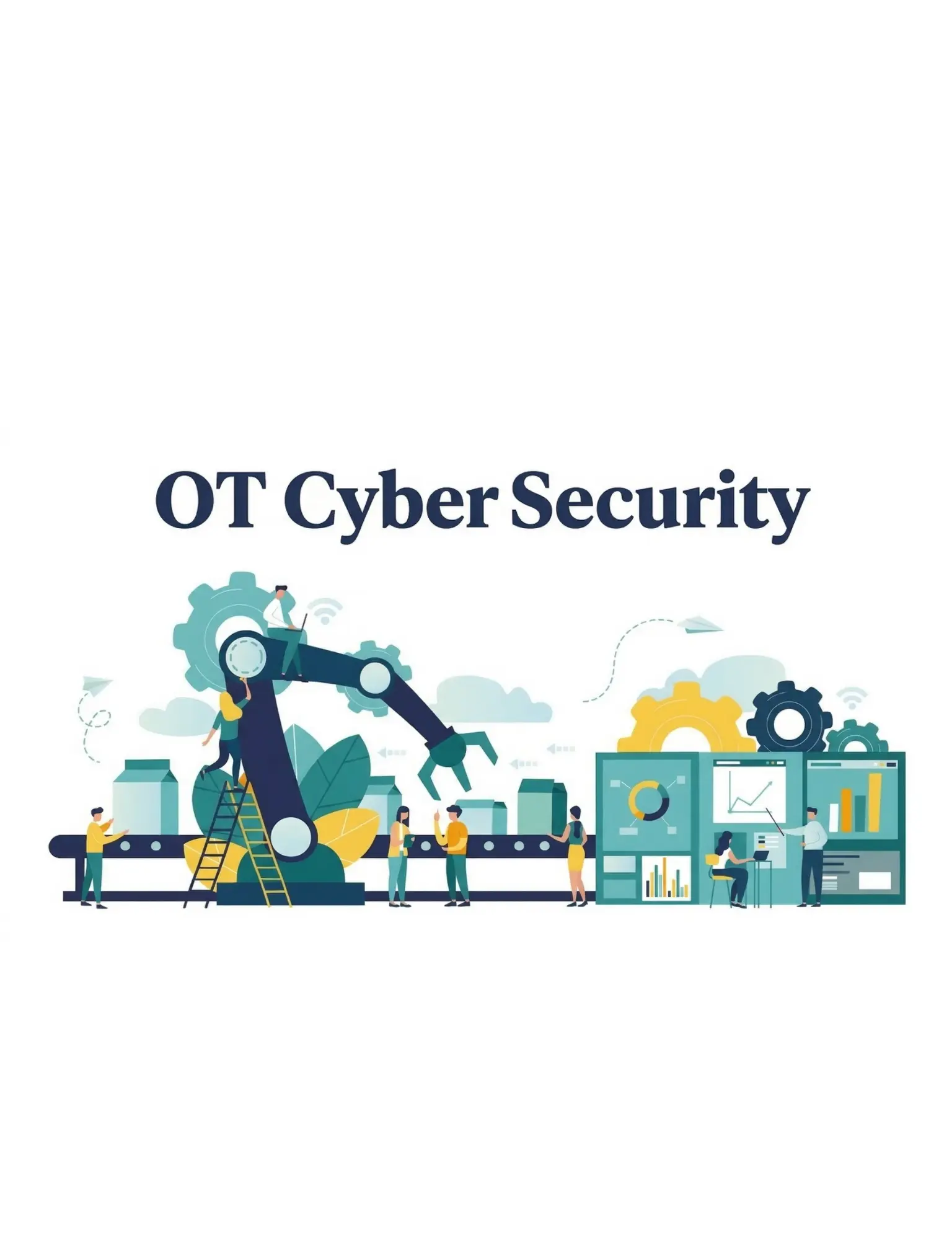
Key Features of OT Cybersecurity:
Industrial Network Security:Secure industrial networks and communication protocols used in SCADA and ICS environments.
ICS/SCADA Security:Protect industrial control systems from unauthorised access, cyber sabotage, and operational disruption.
Asset Discovery & Monitoring:Identify and monitor industrial devices connected to OT networks.
OT Risk Assessment:Evaluate vulnerabilities in industrial systems and develop mitigation strategies.
Secure Remote Access:Implement secure access solutions for remote maintenance and monitoring of industrial equipment.
Core Benefits:
Prevent attacks before they do damage.
Less risk of financial damages or data breaches.
Comply with standards like ISO 27001, HIPAA and GDPR.
OT (Operational Technology) Cyber Security
Safe IT/OT convergence with IIoT security controls
Reduced operational downtime from cyber incidents

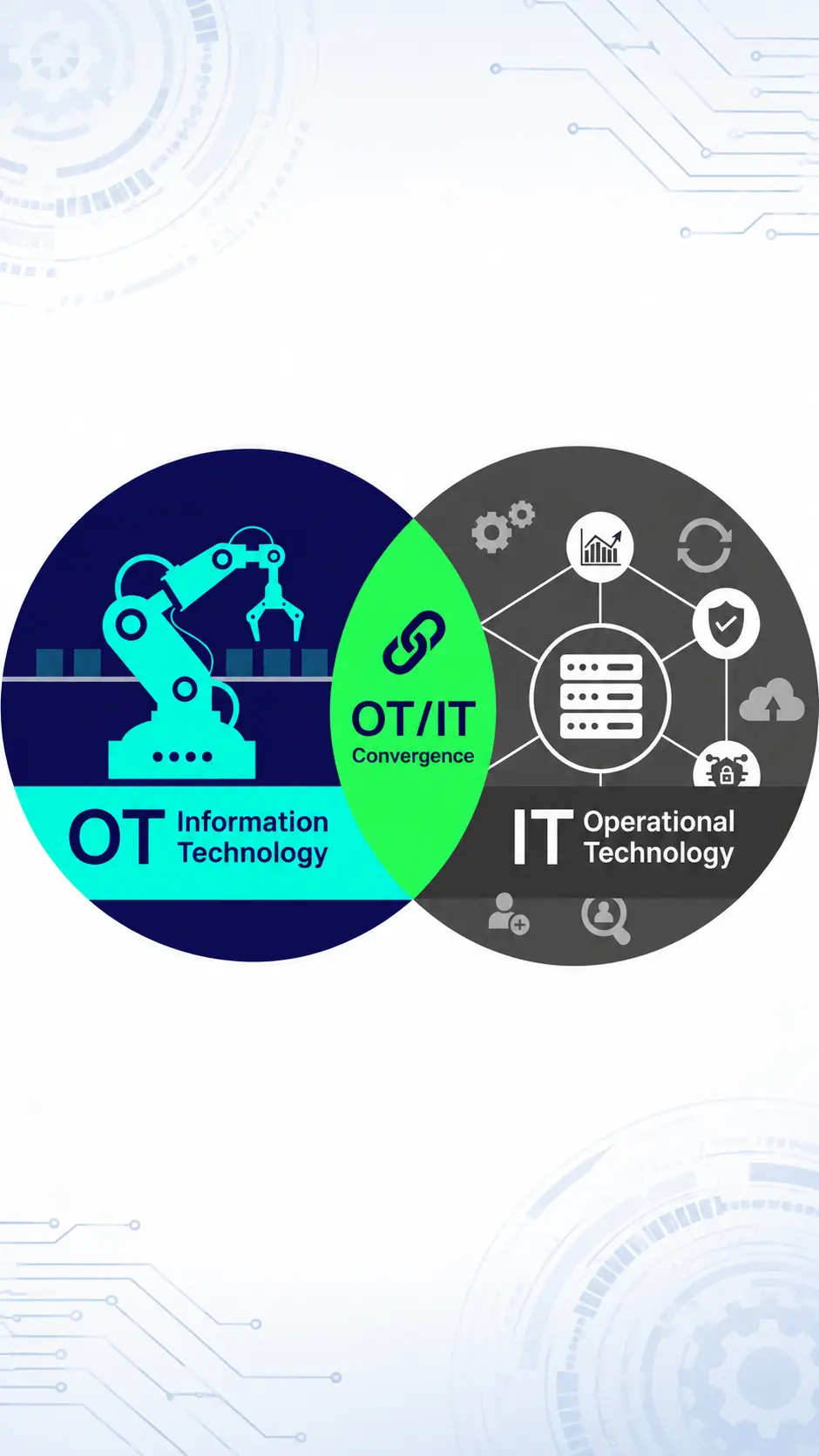
Convergence of OT-IT in Cybersecurity:
Why OT-IT Convergence Matters:
OT systems control industrial processes, machinery, and critical infrastructure. Converging OT-IT security ensures production environments are protected from cyber threats that can move across domains.
Importance of OT-IT Convergence:
Operational Safety - Protects industrial control systems (ICS), SCADA, and IoT devices from malicious interference.
Risk Reduction - Identifies vulnerabilities in operational networks and devices.
Resilience - Ensures manufacturing, energy, and utility operations remain secure and uninterrupted.
Innovation Enablement - Allows safe adoption of smart automation, predictive analytics, and digital twins.
Regulatory Compliance - Meets industry‑specific standards like IEC 62443 for industrial cybersecurity.
Real-Time Monitoring - Allows continuous monitoring of machines, sensors, and industrial systems.
Improved Operational Efficiency - Helps optimise industrial processes and production systems.
Faster problem detection - Operational failures and system issues can be identified promptly.
Support for Automation - Facilitates the automated control of industrial machines and production systems.
Predictive Maintenance - Machine data helps predict equipment failures before they happen.
Business Continuity - Ensures uninterrupted industrial operations and stable production processes.