OT Cybersecurity

OT Cybersecurity

Intelligent Cloud Applications

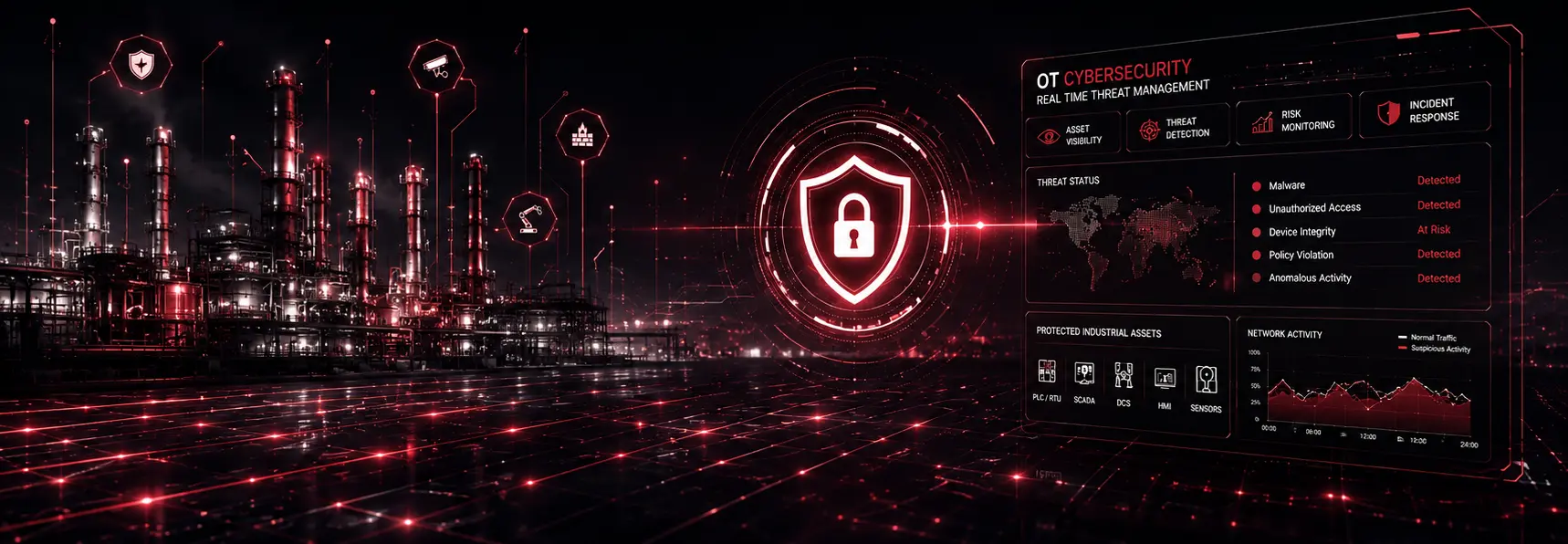
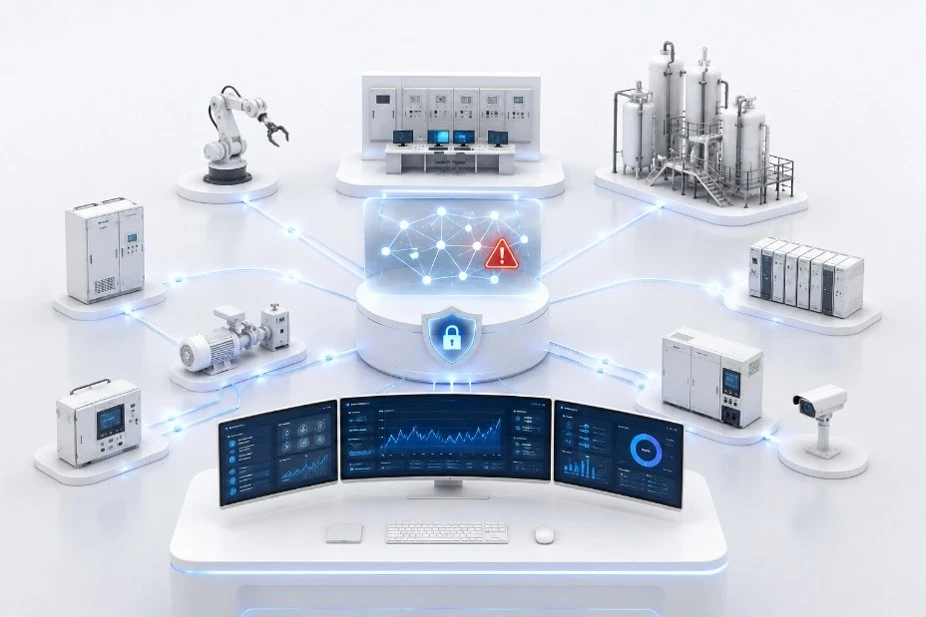
Operational Technology (OT) cybersecurity is becoming necessary to protect physical industrial systems, human safety, and critical infrastructure from destructive cyber threats as the air gap between IT and OT is diminishing. It prevents real-time system damage like power grid blackouts, water plant contamination, and factory assembly line shutdowns. Any impact on real time system by getting vulnerable to any kind of cyber threats and attacks can be avoided with much required OT Cybersecurity. Key features we provide in OT Cybersecurity solution:
OT Cybersecurity

Based on this foundation, we are providing focused, outcome-driven solutions designed around your business priorities.
Our Solutions

01

Asset Inventory Management in OT Environment

OT asset inventory management provides continuous visibility into industrial devices, control systems, network components, and connected equipment. Maintaining an accurate inventory helps organizations understand what assets are present and how they communicate. This visibility supports vulnerability assessment, risk analysis, and incident response activities. It also helps protect critical industrial infrastructure from unknown or unmanaged devices.

Asset Inventory Management in OT Environment
02

Vulnerability Management

OT vulnerability management identifies security weaknesses across industrial systems, devices, applications, and network components. Because OT environments often have strict availability and operational requirements, remediation must be carefully planned to avoid disrupting production. Risk-based prioritization helps organizations address the most critical weaknesses first. Continuous vulnerability management reduces exposure while supporting resilient industrial operations.

Vulnerability Management
03

Continuous Network Monitoring in OT Network

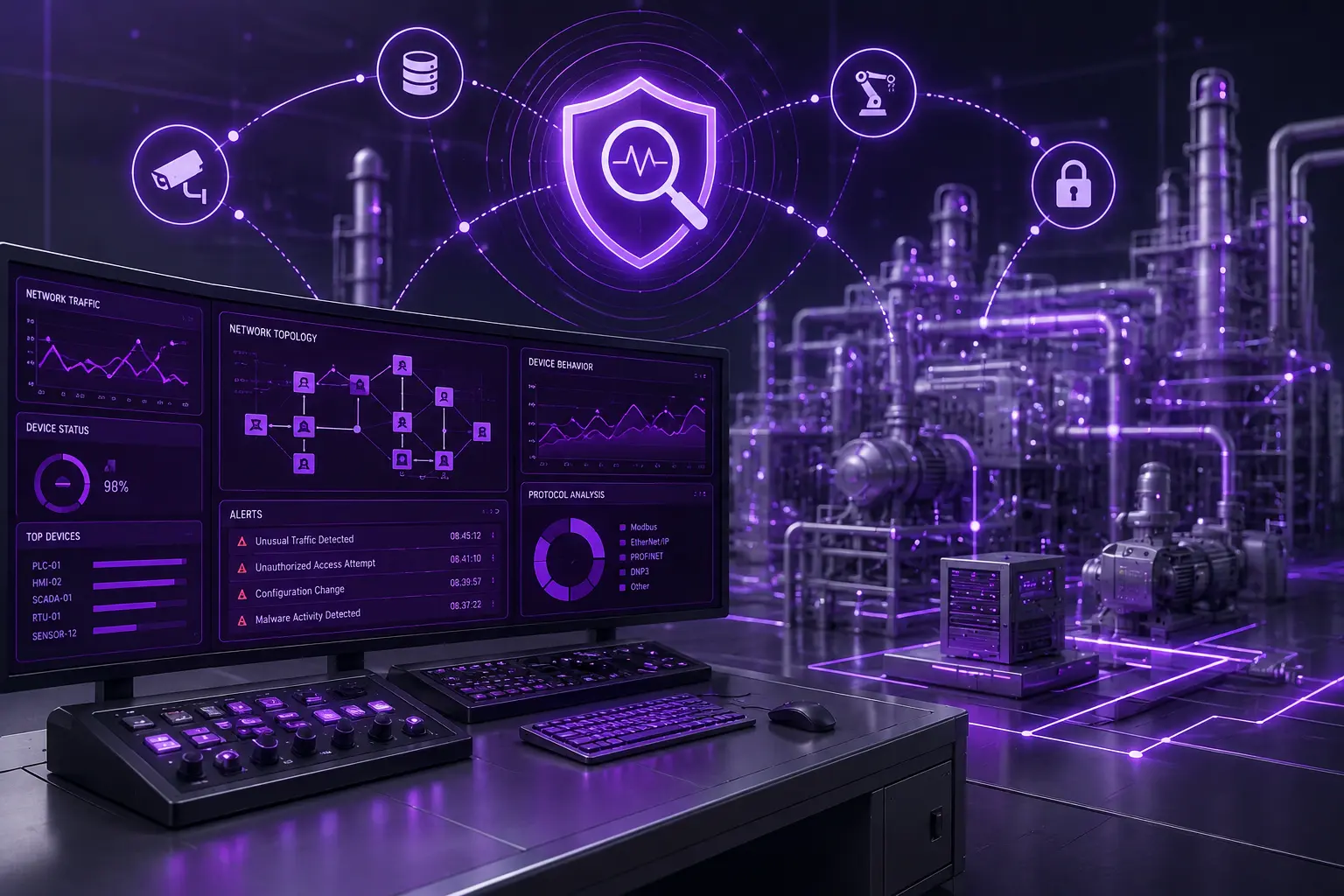
Continuous OT network monitoring provides real-time visibility into communication patterns, device behavior, and unusual activity across industrial environments. Monitoring solutions can identify anomalies that may indicate unauthorized access, malware, configuration changes, or other threats. Early detection enables security teams to investigate issues before they affect critical operations. This strengthens resilience across industrial networks and control environments.

Continuous Network Monitoring in OT Network
04

Risk Management

OT risk management evaluates potential cyber threats against industrial assets, processes, and operational requirements. It helps organizations identify critical systems, assess potential impact, and prioritize appropriate security controls. A risk-based approach ensures that security investments are aligned with operational priorities and business continuity requirements. This supports resilient, secure, and compliant OT environments.

05

Secure IoT Devices at Layer 1

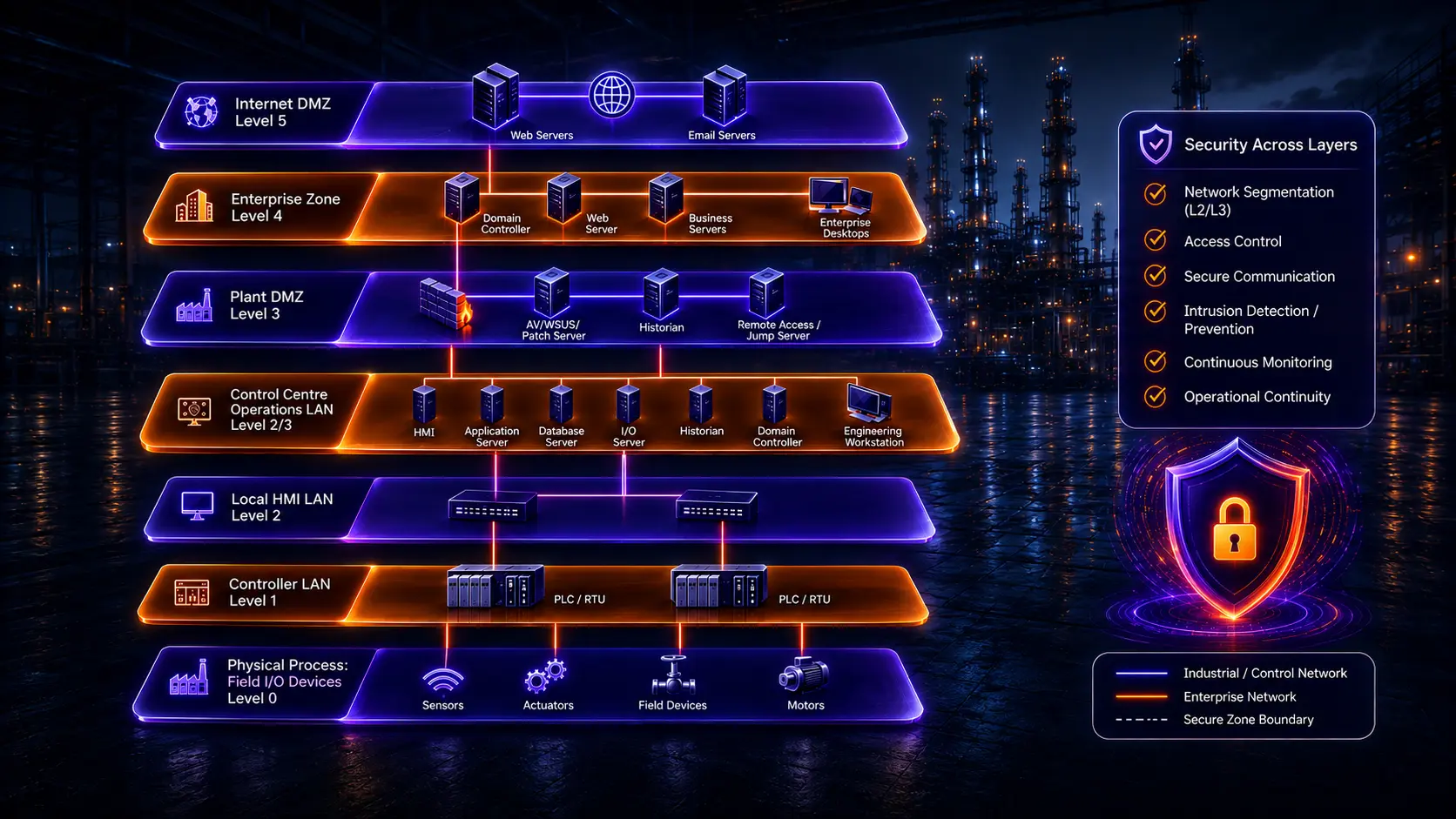
Securing IoT devices at the physical and foundational network layer helps protect connected equipment from unauthorized access and manipulation. Strong device identification, authentication, access control, and secure communication mechanisms help maintain device integrity. Physical and network-level protection is particularly important in industrial environments containing large numbers of connected devices. These measures create a stronger foundation for secure industrial IoT deployments.

06

Secure SCADA and PLC in Layer 2 & 3

Securing SCADA systems and PLCs helps protect critical industrial control processes from unauthorized access and malicious activity. Network segmentation, access controls, secure communication, and continuous monitoring can reduce exposure to cyber threats. Security measures must also account for operational continuity and safety requirements. A layered approach helps protect industrial automation systems while maintaining reliable production operations.

Secure SCADA and PLC in Layer 2 & 3