High Performance Computing (HPC)

High Performance Computing (HPC)

Solutions Addressing Today's AI/ML Infrastructure Requirements

High-Performance Computing (HPC) refers to the use of clusters of powerful processors, parallel processing techniques, and supercomputers to solve complex, data‑intensive problems at speeds millions of times faster than standard computers. It is designed to handle workloads that require massive computational power, such as scientific simulations, artificial intelligence training, weather forecasting, and advanced analytics. By integrating smart storage solutions for both structured and unstructured data, HPC environments ensure that large volumes of information can be processed, stored, and retrieved efficiently, enabling enterprises and research institutions to achieve breakthroughs that would be impossible with conventional computing systems.


Servers Partner Logo 1Storage Partner Logo 2Parallel Partner Logo 3

Based on this foundation, we are providing focused, outcome-driven solutions designed around your business priorities.

Our Solutions

01

Nodes

HPC nodes are individual computing systems connected within a cluster to create a unified high-performance computing environment. Each node contributes processing power, memory, storage, or specialized acceleration resources to the overall system. Multiple nodes can work together to execute complex workloads efficiently. This distributed architecture enables organizations to scale computational capacity according to demanding scientific, engineering, AI, and analytics requirements.

Nodes
02

Parallel Processing

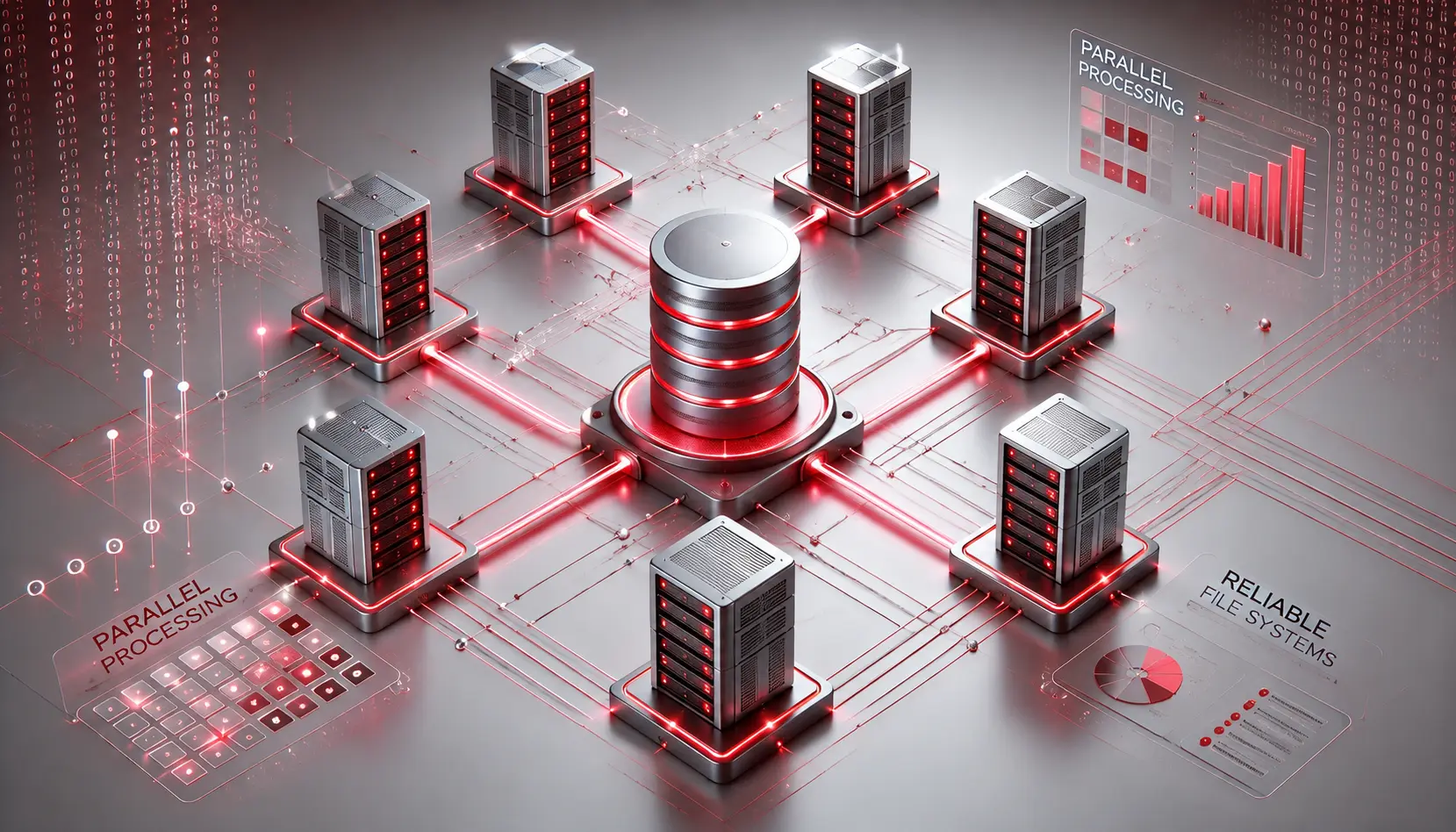
Parallel processing divides complex computational workloads into smaller tasks that can execute simultaneously across multiple processors or nodes. This significantly reduces execution time for large-scale simulations, analytics, scientific calculations, and AI workloads. Efficient parallel execution improves overall resource utilization and computational throughput. High-performance file systems and networking ensure that required data remains accessible throughout processing.

Parallel Processing
03

Schedulers

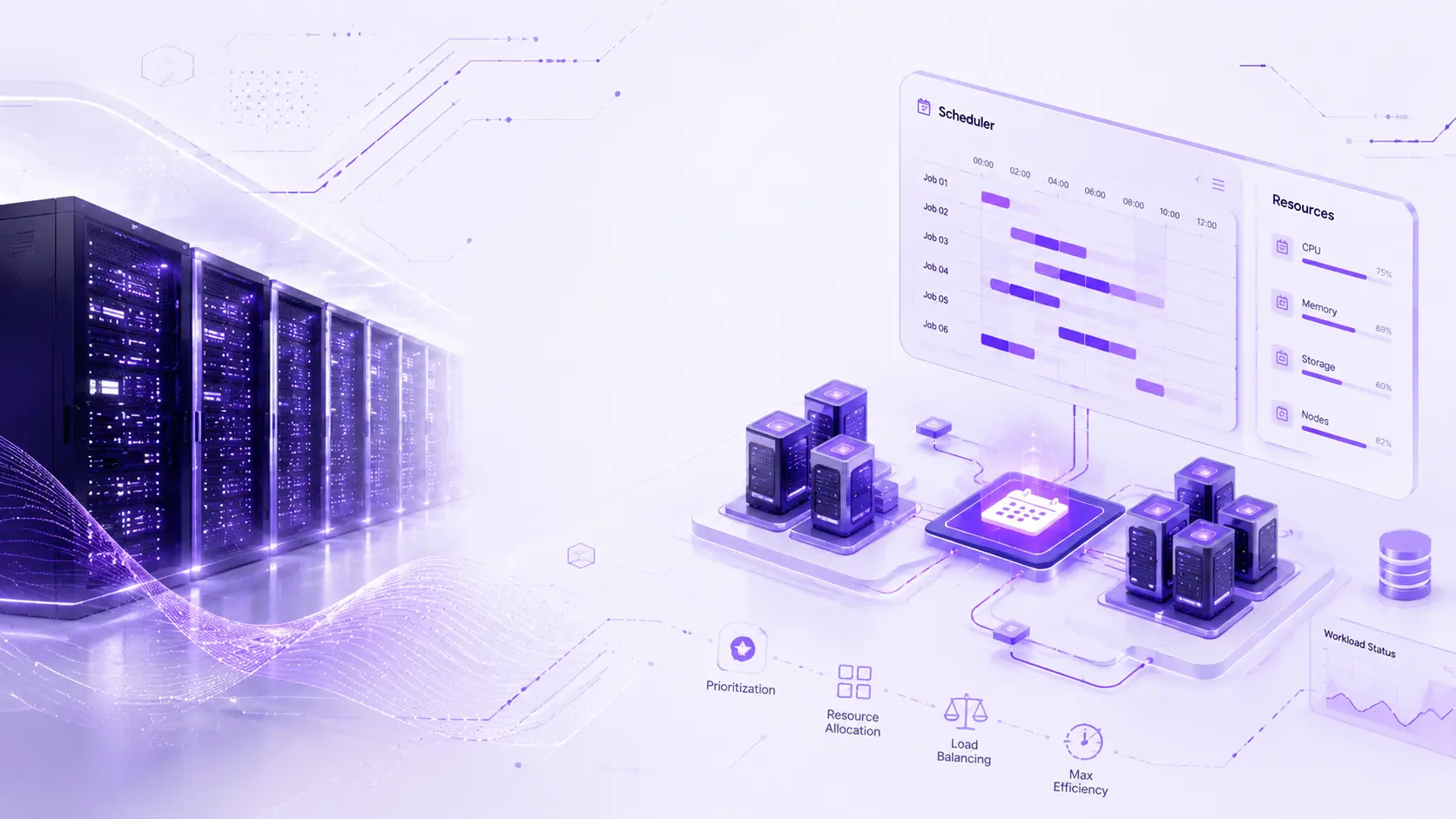
HPC schedulers intelligently allocate computing jobs and resources across available nodes within a cluster. They consider factors such as processor availability, memory requirements, priorities, and workload characteristics. Efficient scheduling maximizes cluster utilization while reducing resource conflicts and idle capacity. This helps organizations achieve higher throughput and predictable performance across demanding HPC workloads.

Schedulers
04

Fast Interconnects

Fast interconnect technologies such as InfiniBand, RoCE, and high-speed Ethernet provide low-latency communication between HPC compute nodes and storage systems. High-speed connectivity enables rapid exchange of data during parallel processing operations. It minimizes communication bottlenecks that could otherwise reduce cluster performance. These interconnects are essential for maintaining efficient, scalable, and tightly integrated HPC environments.