Storage

Storage

Intelligent Data Infrastructure

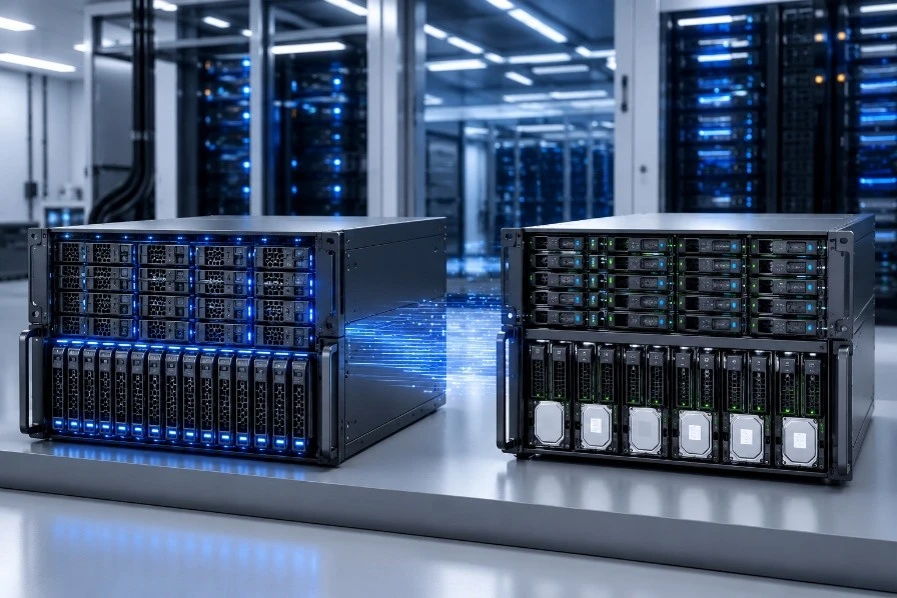
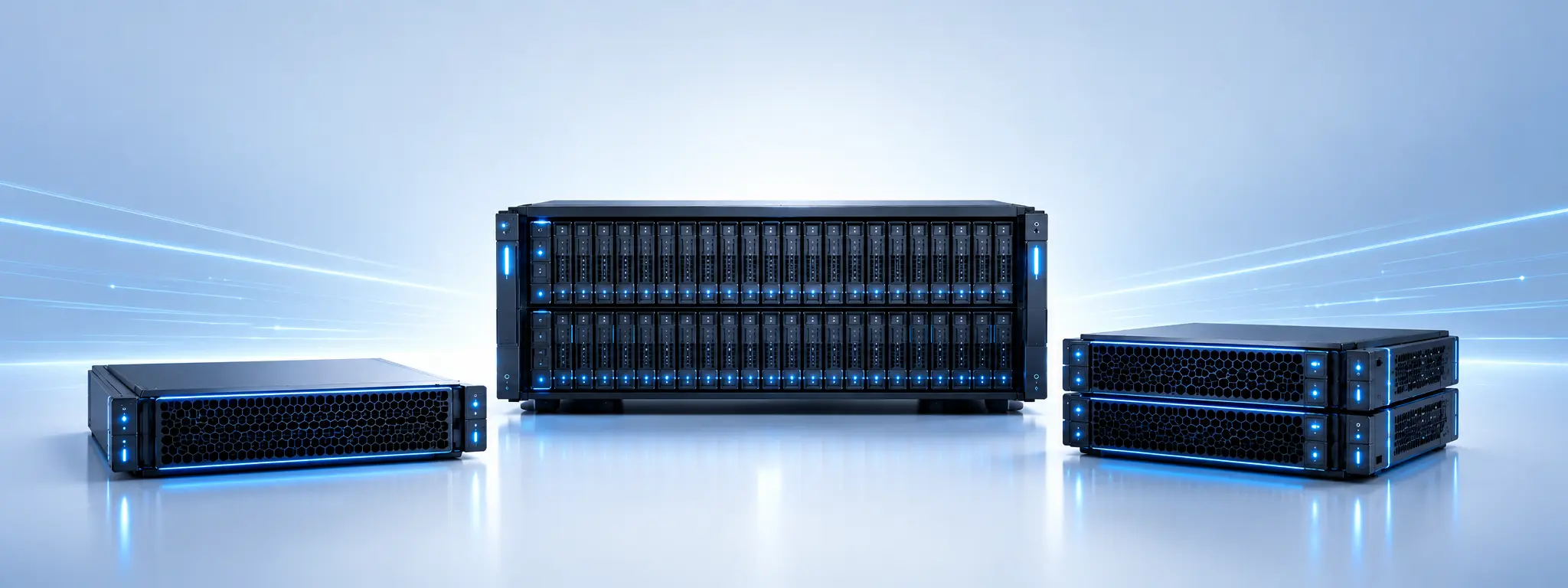
Intelligent Data Infrastructure in the context of storage refers to a comprehensive portfolio of solutions that unify on‑premises and cloud storage into a single, smart ecosystem. It is designed to handle both structured and unstructured data seamlessly, ensuring that enterprises can store, manage, and access information efficiently across diverse workloads. By integrating multiprotocol unified storage systems, organizations gain flexibility to support traditional databases, modern applications, and cloud‑native environments. This approach enables businesses to optimize performance, reduce complexity, and future‑proof their data strategies.

Storage

Based on this foundation, we are providing focused, outcome-driven solutions designed around your business priorities.

Our Solutions

01

Smart Storage for Structured and Unstructured Data

Smart storage solutions support structured information such as databases alongside unstructured data including documents, images, videos, and business files. Consolidating different data types within an optimized storage environment improves accessibility and operational efficiency. These platforms support analytics, artificial intelligence, machine learning, and enterprise applications. Organizations can manage growing data volumes while maintaining performance, availability, and scalability.

Smart Storage for Structured and Unstructured Data
02

All Flash and Hybrid Storage

All-flash storage delivers extremely high performance and low latency for mission-critical applications, databases, analytics, and demanding workloads. Hybrid storage combines flash and traditional disk technologies to balance performance, capacity, and cost. Organizations can select the appropriate architecture according to workload requirements and business priorities. Both approaches provide scalable and reliable foundations for modern data environments.

All Flash and Hybrid Storage
03

Hybrid Flash Storage

Hybrid flash storage combines high-speed solid-state drives with traditional disk storage to achieve an effective balance between performance and cost. Frequently accessed and performance-sensitive data can be placed on flash storage for faster access. Less frequently accessed information can remain on economical disk-based storage. This intelligent tiering approach improves resource utilization while controlling overall storage expenditure.

Hybrid Flash Storage
04

Disaggregated Storage

Disaggregated storage separates compute resources from storage resources, allowing each layer to be independently scaled according to workload requirements. This architecture improves infrastructure flexibility and helps organizations avoid unnecessary resource expansion. Storage capacity and performance can be increased without proportionally increasing compute resources. It is particularly valuable for cloud, hyperscale, virtualization, and data-intensive environments.

Disaggregated Storage
05

SAN and NAS Infrastructure

Storage Area Network solutions provide high-performance block-level storage for databases, virtualization, enterprise applications, and mission-critical workloads. Network Attached Storage provides flexible file-level storage for collaboration, file sharing, and centralized data access. Together, SAN and NAS architectures address a broad range of enterprise storage requirements. They provide reliable, scalable, and manageable data infrastructure for modern organizations.

SAN and NAS Infrastructure
06

Cloud and Hybrid Cloud Storage

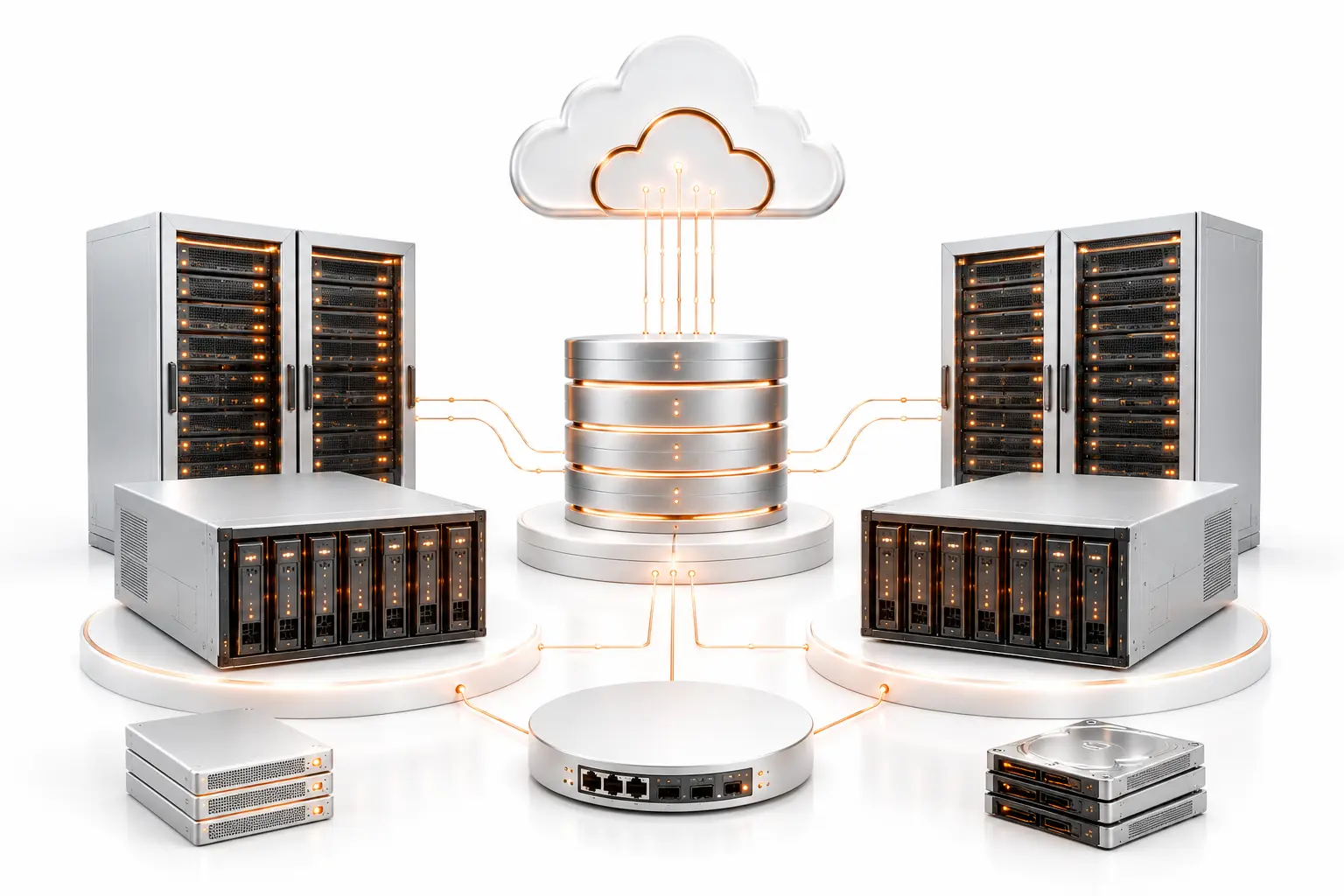
Cloud storage provides scalable capacity, flexible resource allocation, and convenient access to enterprise data across distributed environments. Hybrid cloud storage combines on-premises infrastructure with cloud resources to provide greater flexibility and control. Organizations can optimize workloads according to performance, security, compliance, and cost requirements. These solutions also support backup, disaster recovery, business continuity, and digital transformation initiatives.

07

Converged Infrastructure

Converged infrastructure integrates computing, storage, networking, and management components into a pre-engineered and unified platform. This simplifies deployment, configuration, administration, and ongoing infrastructure management. Organizations can reduce infrastructure complexity while improving consistency and operational efficiency. Converged platforms provide a dependable foundation for virtualization, enterprise applications, and cloud-oriented workloads.