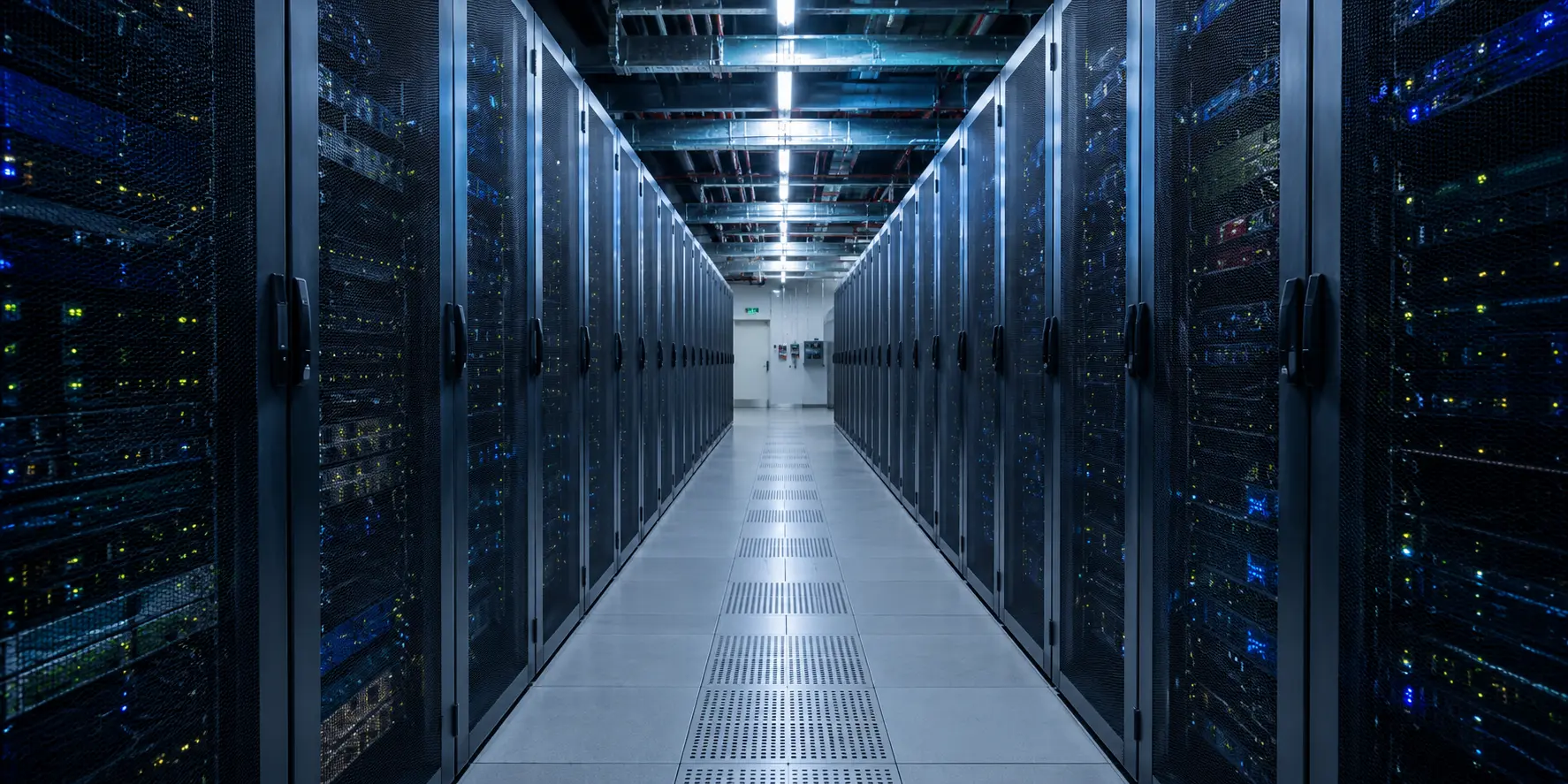
Datacenter and Smart IT Infrastructure Solutions
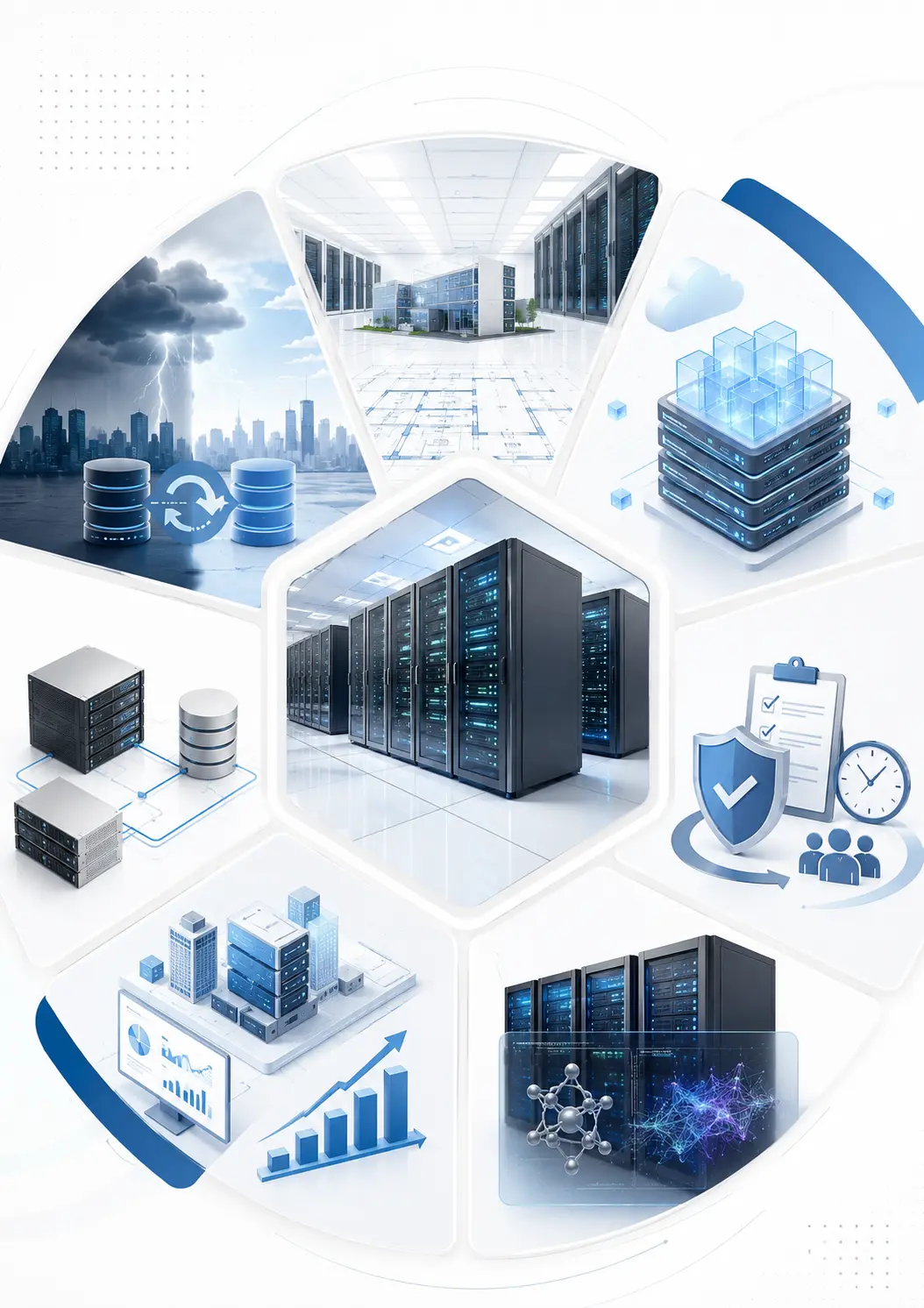
Modern businesses rely on secure, scalable, and highly available datacenter infrastructure to support critical applications, data, and digital operations. Our Datacenter Design and Development services provide a structured approach to planning and building datacenters based on industry standards for various tiers – T2, T3, T4, as per business requirements, performance expectations, and future growth. We focus on optimizing space, power, cooling, security, connectivity, and environmental conditions to create a reliable infrastructure foundation. Our approach also incorporates scalability, disaster recovery, energy efficiency, and continuous monitoring for long-term operational performance.
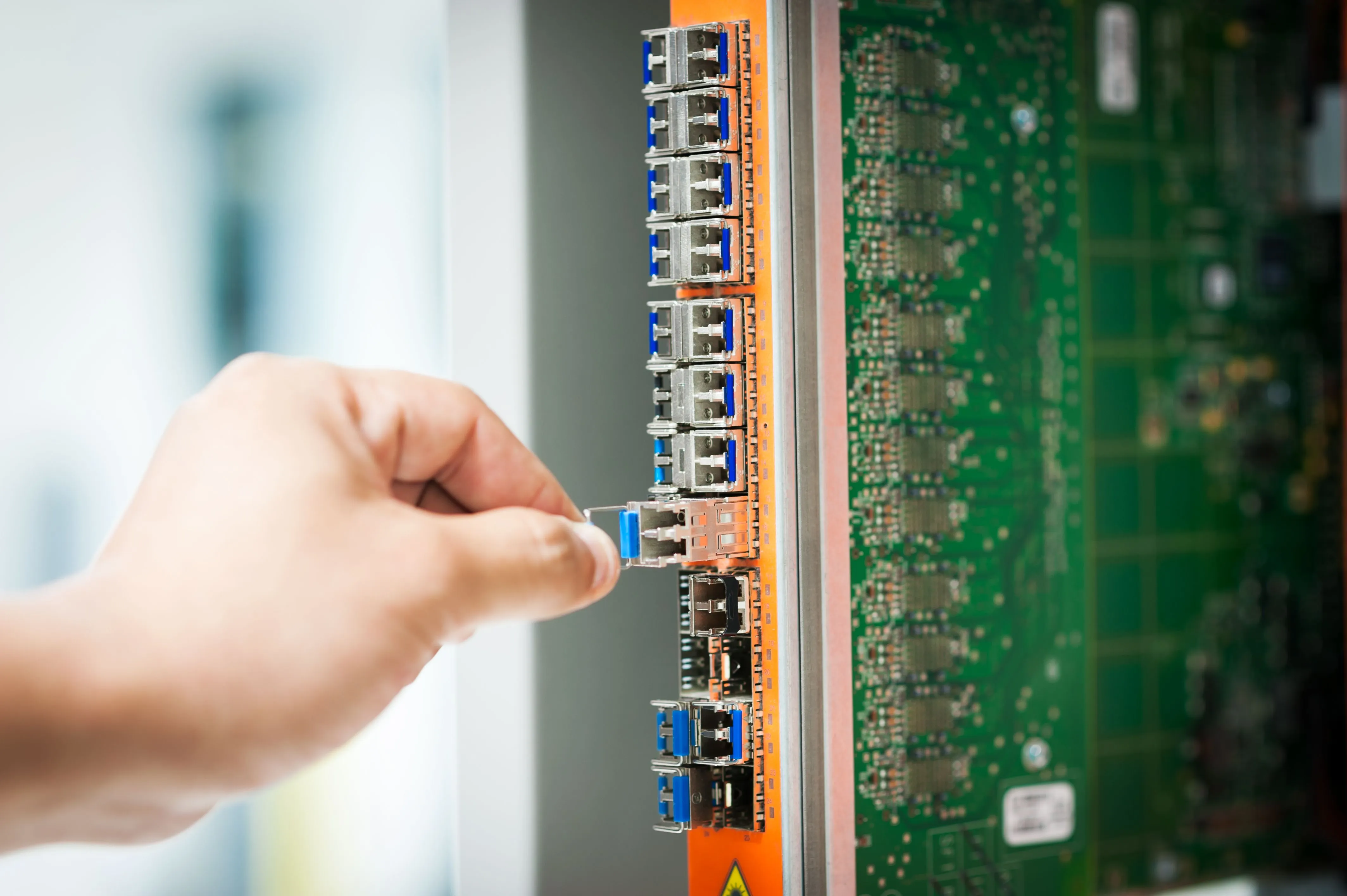
Why Choose Our Datacenter Design and Development Solutions?
Tier Architecture:
Standards-based datacenter architecture designed for availability, redundancy, and reliability. Complying to Industry standard tiers – 2, T3, T4
Space Optimization:
Efficient modular layouts that maximize space utilization and support future expansion.
Advanced Cooling:
Modern cooling and airflow solutions designed to maintain optimal equipment performance.
Power Redundancy:
Reliable UPS and various options for backup power systems designed for uninterrupted IT operations including DG sets and a green solution based on BESS – Battery Energy Storage System.
Physical Security:
Controlled access, video surveillance, and biometric solutions to protect critical infrastructure.
Environmental Monitoring:
Continuous monitoring of temperature, humidity, airflow, and other critical conditions.
Scalable Infrastructure:
Flexible infrastructure designed to accommodate growing workloads and technology requirements.
Scalable Infrastructure:
Flexible infrastructure designed to accommodate growing workloads and technology requirements.
Disaster Recovery:
Perform BIA – Business Impact Analysis and come out with BCP – Business Continuyity Planning strategy with desired RPO – Recovery Point Objective and RTO – Recovery Time Objectives. Backup, Synchronous/Asynchronous replication, and recovery strategies designed to improve data availability and business continuity.
System Integration:
Seamless integration between databases, applications, and enterprise technology platforms.
Ongoing Monitoring:
Continuous DC infrastructure monitoring and maintenance for improved performance and reliability. Setting up NOC – Network Operations Center for total proactive Infrastructure management.
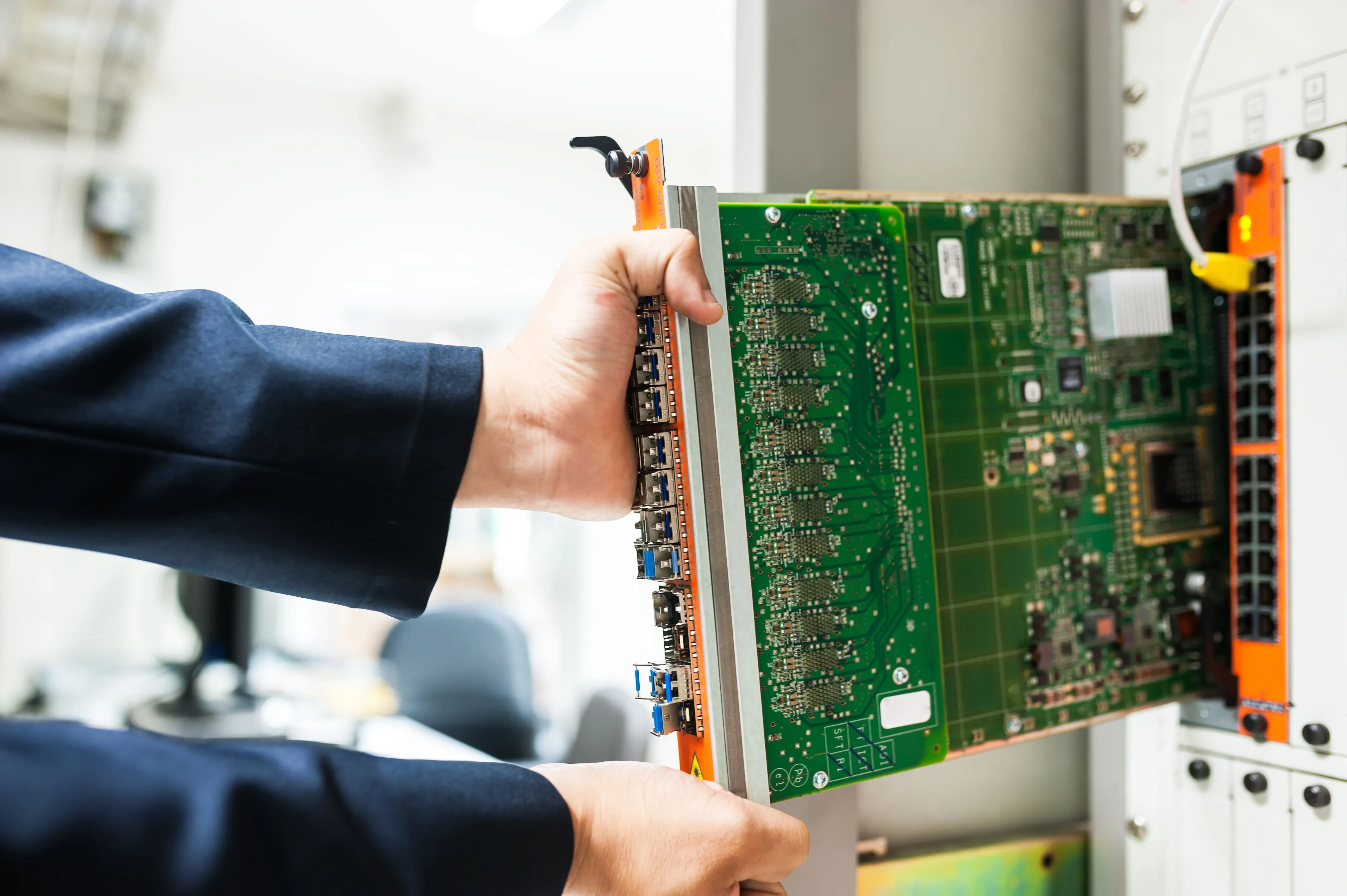
Core Benefits of Professional Datacenter Design:
Cost Reduction:
Energy-efficient infrastructure helps reduce operational and maintenance costs.
Risk Resilience:
Redundant and secure infrastructure helps minimize operational and environmental risks.
IT Foundation:
Reliable datacenter infrastructure provides a strong foundation for enterprise IT operations.
Future Scalability:
Flexible architecture supports business growth without major infrastructure redesign.
Green Efficiency:
Energy-efficient technologies help reduce consumption and support sustainable IT operations.

High Performance:
Optimized infrastructure supports demanding workloads and high-performance IT applications.
Data Availability:
Redundancy, backup, and replication strategies help maintain access to critical data.
System Integration:
Integrated infrastructure enables efficient data exchange across enterprise systems.
Continuous Monitoring:
Real-time monitoring helps identify issues early and maintain infrastructure reliability.
Why Invest in Professional Datacenter Design?
Investing in professional datacenter design helps organizations build infrastructure that is secure, reliable, scalable, efficient, and future-ready. A professionally planned environment reduces operational risks, improves business continuity, optimizes infrastructure costs, and creates a strong technology foundation capable of supporting long-term digital transformation and enterprise growth.