Parallel File Systems

Parallel File Systems

Parallel File Systems for High-Performance Computing

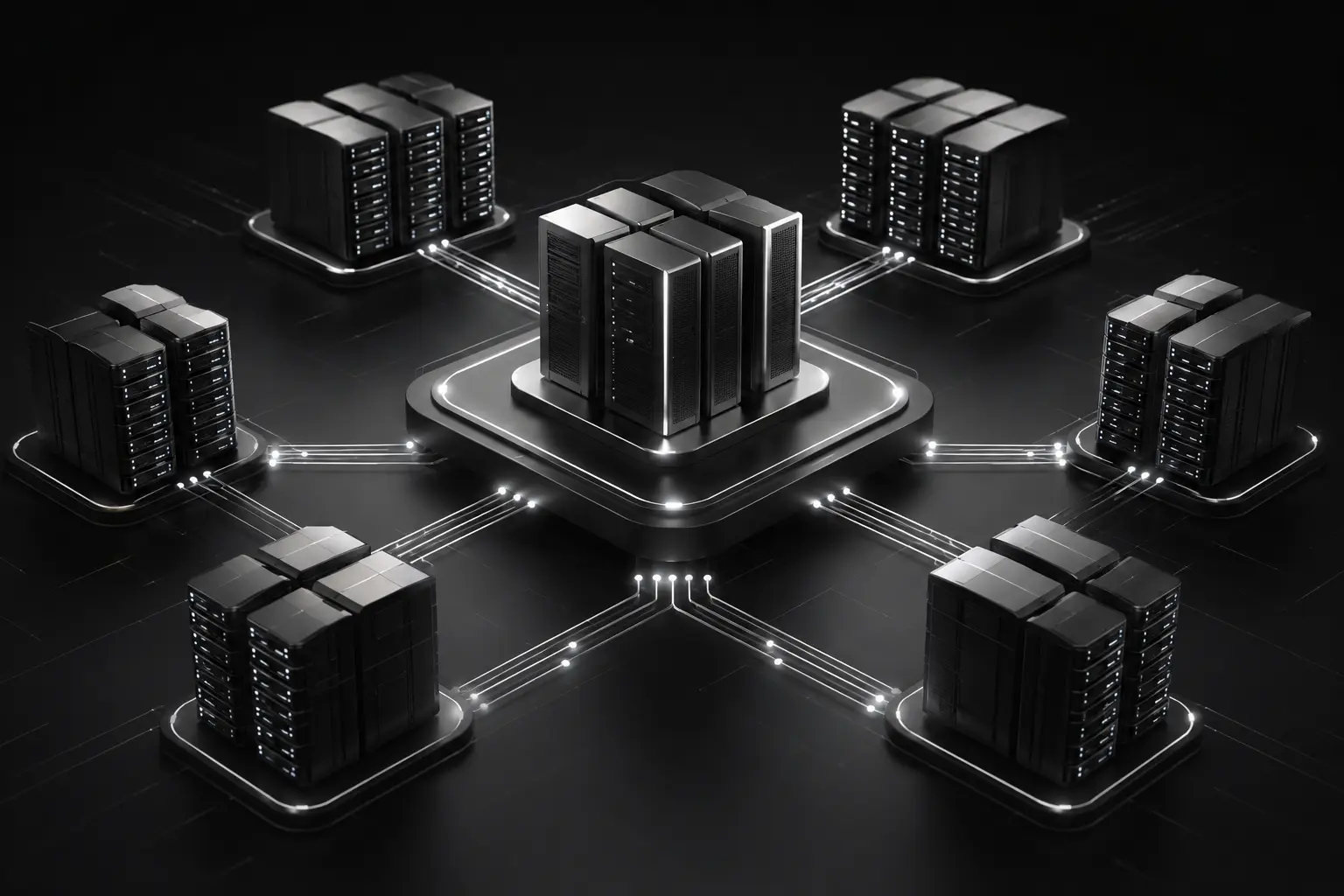
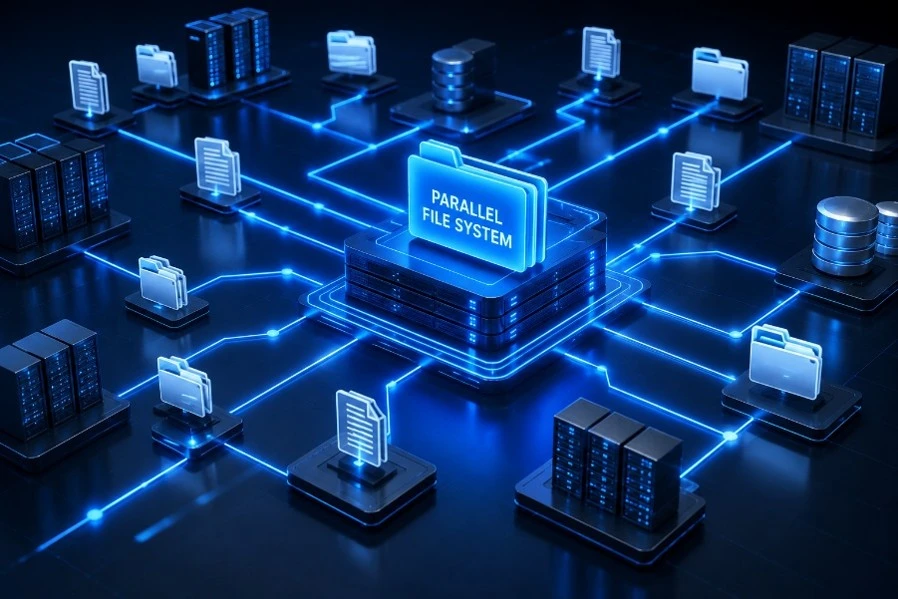
As we know parallel file system is a software component of a HPC solution designed to store data across multiple networked servers. It facilitates high-performance access through simultaneous, coordinated input/output (I/O) operations between clients and storage nodes. Its implementations can span thousands of server nodes and manage petabytes or exabytes of data. We typically deploy high-speed networking interconnect, such as Fast Ethernet, InfiniBand and proprietary technologies, to optimize the I/O path and enable greater bandwidth.

Parallel

Based on this foundation, we are providing focused, outcome-driven solutions designed around your business priorities.

Our Solutions

01

Clients:

Clients typically include compute nodes or user systems that run specialized applications and request data from the parallel file system. They can simultaneously read and write large datasets across multiple storage resources. This distributed access model enables high aggregate throughput for demanding HPC workloads. Efficient client connectivity ensures applications receive data quickly without becoming constrained by centralized storage access.

Clients
02

Metadata Servers (MDS):

Metadata Servers manage essential information about files, directories, permissions, attributes, and the physical location of distributed data. By handling metadata operations separately, they help prevent unnecessary data traffic from affecting storage performance. This architecture enables efficient management of large-scale file systems containing millions or billions of files. High availability and scalable metadata services are important for demanding HPC environments.

Metadata Servers
03

Storage Targets / Data Servers (OSTs / NSDs):

Storage targets and data servers provide the physical storage resources where distributed file data is maintained. They typically contain high-capacity HDDs, SSDs, or other storage technologies optimized for HPC workloads. Data can be distributed across multiple targets to increase parallel throughput and scalability. This architecture allows large datasets to be accessed simultaneously by many compute nodes.

Storage Targets / Data Servers
04

High-Speed Interconnect:

High-speed interconnects connect compute clients, metadata servers, and storage targets using technologies such as InfiniBand, RoCE, or high-performance Ethernet. These networks provide high bandwidth and extremely low latency for intensive data movement. Efficient interconnect architecture minimizes I/O bottlenecks between computing and storage resources. This helps parallel file systems deliver consistent performance for large-scale HPC applications.